Quick answer
Business vehicle finance funds utes, vans, cars, trucks and trailers used in a business. The vehicle usually acts as security, through a chattel mortgage, hire purchase or lease. The right structure depends on whether you want ownership, how the vehicle is used and your tax position, which your accountant should confirm. If a vehicle is old, modified or part of a bigger need, unsecured or property-secured lending can be an alternative.
Key points
- Covers utes, vans, cars, trucks, trailers and fleet vehicles
- The vehicle usually acts as the security
- Chattel mortgage, hire purchase or lease, each with different ownership
- Check business-use percentage and tax treatment with your accountant
- Security
- Usually the vehicle
- Structures
- Chattel, HP, lease
- Alternatives
- Unsecured or property
- Purpose
- Business only
What counts as business vehicle finance?
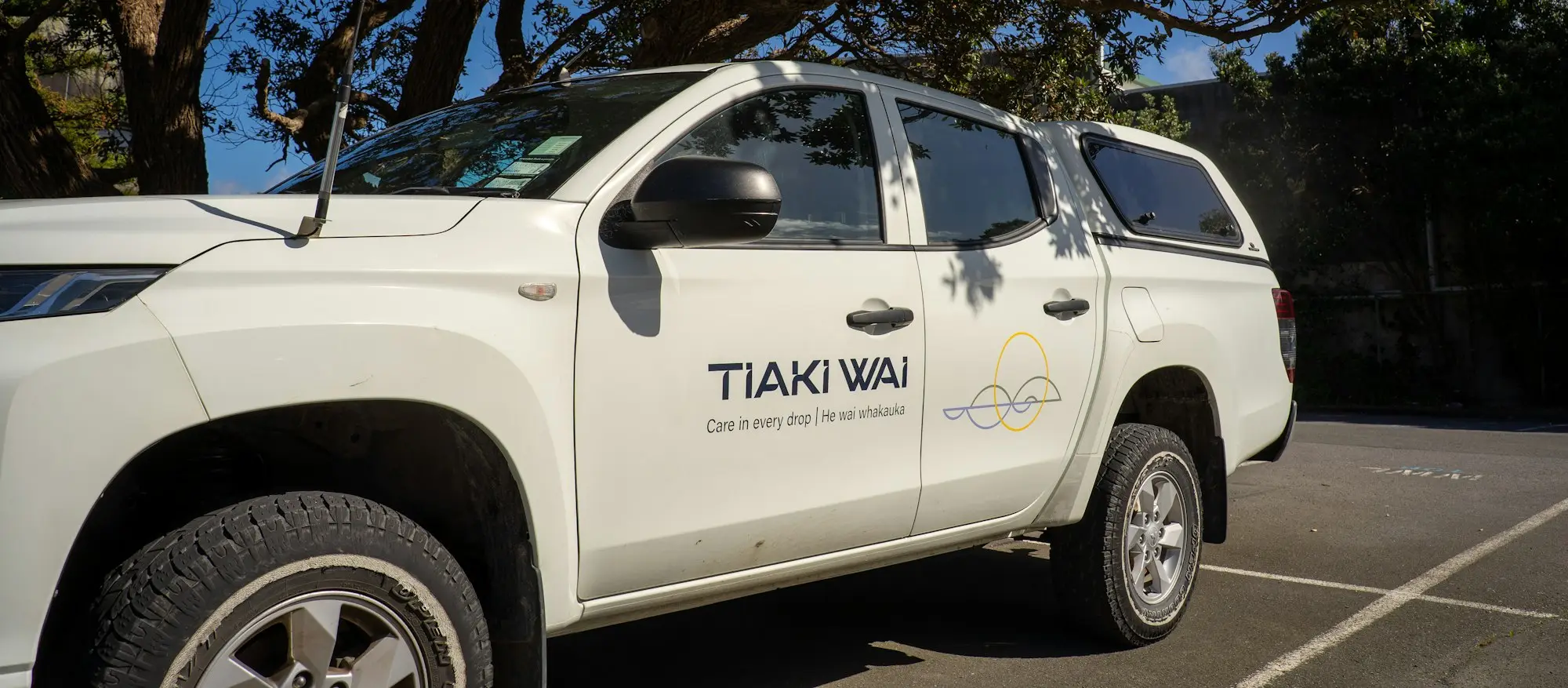
Any finance used to put a vehicle to work in your business. For a plumber that’s a ute with a canopy. For a florist it’s a refrigerated van. For a transport company it’s a prime mover and trailers. For a sales team it might be a small fleet of cars.
Vehicles are one of the most commonly financed business assets, partly because they hold value reasonably well and are easy for lenders to identify and register. That’s why vehicle finance usually uses the vehicle itself as security.
Which structure should I use?
There are three main options, and they differ on ownership:
| Structure | Ownership | Balloon possible? | Good to know |
|---|---|---|---|
| Chattel mortgage | Yours from day one | Yes | Lender holds security until repaid |
| Hire purchase | Financier’s until final payment | Yes | Ownership passes at the end |
| Lease | Financier’s | Residual value | Return, upgrade or buy at end of term |
The tax and GST treatment differs between these, and it also depends on how much the vehicle is used privately. That makes the choice partly a question for your accountant. Our job is to help you match the structure to how you run the business.
What about the balloon payment?
Many vehicle contracts offer a balloon, sometimes called a residual. It’s a lump sum due at the end of the term. A balloon lowers your regular repayments, which can help cash flow, but it doesn’t disappear. At the end you’ll pay it, refinance it or sell the vehicle to cover it.
A useful rule of thumb: choose a balloon you’d be comfortable paying from the vehicle’s likely value at the end of the term. If the vehicle will be worth less than the balloon, you’ll need to find the difference.
Can I finance the fit-out too?
Often. Canopies, shelving, refrigeration, ladder racks and signage can usually be included in vehicle finance, depending on the lender. Where they can’t, a small unsecured facility, typically within the $5,000 to $500,000 range for trading businesses, can cover the extras along with any working capital you need while the vehicle starts earning.
If you’d like help deciding how to package it all, you can start a 60-second enquiry. There’s no credit check to ask.
What does a lender check?
- The vehicle. Make, model, year, kilometres, condition and price, usually from a dealer invoice or private sale agreement.
- The business. ABN, trading history and bank statements.
- The borrowers. ID for directors or owners and, once you proceed, a credit check.
- Existing debts. Including other vehicle and equipment finance.
Buying privately? The PPSR is the government register of security interests in personal property, including vehicles. Searching it before you buy can reveal whether finance is still owed on the vehicle.
What if the vehicle is old or unusual?
Some vehicles fall outside standard vehicle finance: older trucks, heavily modified four-wheel drives, specialist machinery on wheels. In those cases there are alternatives:
- Unsecured lending, assessed on your business’s cash flow rather than the vehicle.
- Property-secured lending, from $20,000 to $5,000,000, which can fund several vehicles or a mix of vehicles and equipment in one facility.
Illustrative example only. A mobile dog-grooming business wants to convert an older van with a custom wash bay. A standard vehicle financier might be hesitant about the age and custom fit-out. An unsecured loan sized on the business’s steady weekly bookings funds both the van and the conversion, and the owner keeps the flexibility to modify it further later.
What about fleets and growth?
Adding several vehicles at once is a different conversation. If you’ve just won a contract that needs more vehicles on the road, read our page on winning a big contract, which covers funding the vehicles, the staff and the gap before the first invoice is paid.
Tax time and vehicles
Owners often think about buying vehicles around the end of the financial year. Vehicle rules for depreciation and the instant asset write-off have their own limits and conditions; the ATO’s instant asset write-off page is the starting point, and your accountant can confirm what applies to your situation. Buy the vehicle because the business needs it, not just for the deduction.
New or used: which makes more sense?
Both can work, and the right answer depends on how the vehicle will be used.
New vehicles usually come with warranties, predictable running costs and easier finance approval. They suit businesses that rely on the vehicle every day and can’t afford downtime, such as delivery operators or trades on tight schedules.
Used vehicles cost less upfront and lose value more slowly in the first years. They suit businesses with lighter use, or owners who are comfortable managing maintenance. Lenders consider age, kilometres and condition, and very old vehicles may need a different type of finance.
Whichever you choose, three checks help:
- Total cost of ownership: fuel, servicing, tyres, registration and insurance, not just the purchase price
- Resale value at the end of the term, especially if you’re considering a balloon
- Fit for the work: payload, towing capacity and the fit-out you’ll need
If the vehicle is part of a bigger expansion, such as a new contract, our page on winning a big contract shows how to fund vehicles, staff and working capital together. For equipment that rides on the back of the vehicle, see equipment finance, and for a smaller all-in-one facility, see unsecured business loans.
Ready to get on the road?
The right vehicle, the right structure and the right term make vehicle finance a quiet, useful part of the business rather than a monthly headache.
Here’s what we offer. A quick enquiry, with no credit check involved. A real person who reads it and calls you. No passing your details down a long chain of lenders. Please fill the form in accurately, especially the vehicle’s price, your turnover and any existing finance, so the first call can land on the right option. Check your vehicle finance options.
The 1-2-3, in short
- 1
Choose the right vehicle for the work
Payload, towing, fit-out and running costs matter more than the badge. Price the whole vehicle, including accessories.
- 2
Pick a structure
Own from day one, own at the end, or rent. Ask your accountant which suits your business-use percentage and tax position.
- 3
Match term to working life
A van doing big kilometres may not last as long as a light-use car. Set the term and any balloon accordingly.
Frequently asked questions
Can I finance a used ute or van for my business?
Often, yes. Lenders consider the age, kilometres and condition of the vehicle. Very old or heavily modified vehicles may be better funded through a different type of finance.
What's a balloon payment?
A lump sum due at the end of some vehicle finance contracts. It lowers the regular repayments but leaves a larger amount owing at the end, which you'll need to pay, refinance or cover by selling the vehicle.
Do I need to use the vehicle only for business?
The finance must be for business purposes. How private use affects tax deductions is a question for your accountant, so keep accurate records of business use.
Can I finance a fit-out or toolbox along with the vehicle?
Often accessories and fit-outs can be included, depending on the lender. If not, a small unsecured facility can cover the extras.